

The dishwasher eases the daily activity. But a clogged dishwasher can be a disaster. This is a problem that many homeowners undergo. Water can be on the bottom, or the dishes can be dirty. This frequently indicates the obstruction of the drain. Dishwasher drain cleaning can resolve the issue quickly. It can also save expensive repairs in the future. Most individuals can resolve this problem at home with the help of a few simple hacks.
This manual also describes how to clear the dishwasher drain safely and simply. It involves simple equipment and easy steps. With such a guide, users will be able to revive the performance of their dishwasher and ensure it works well.
Why Dishwasher Drains Get Clogged
Food waste is the point of origin of a dishwasher drain clogged. Even minor food particles may go through the filter and accumulate after some time. The inside of the drain can also be greasy, oily, and sticky with soap. These become thicker and prevent the movement of water.
A dishwasher drain hose clogged with debris is another frequent cause. The dirty water is pumped out of the machine through the hose. When it becomes clogged, water is unable to flow away. This causes water to stand in dishwashers and results in low cleaning outcomes.You can use these tips to prevent drain clogs and keep your dishwasher running efficiently.
Signs Your Dishwasher Needs Drain Cleaning
The most noticeable symptom of a clog is a dishwasher that is not emptying. After one cycle, there is a possibility of water at the bottom. This water may be smelly and unclean. It indicates that the drain is not performing well.
Other warning signs include slow draining. The machine can also consume more time to complete cycles. The dishes can be greasy or not. All these indications are that it is time to wash the dishwasher drain components and reinstate normal flow.
Step 1: Turn Off Power and Remove Water
Safety comes first, before commencing. The user is expected to shut the dishwasher off and even unplug it where possible. This measure eliminates accidents at work within the unit. There is no such thing as too much safety.
Then, any dishwasher standing water on the bottom should be removed. A sponge or cup can be used to soak it. This easily provides a view of the drain area. It will also prevent spills during the cleaning process.
Step 2: Clean the Dishwasher Filter
Clogs can mostly be traced to the filter. It is positioned at the bottom of the dishwasher and gathers food particles. In the long run, it may become polluted and obstruct the passage of water. This can be avoided by cleaning on a regular basis.
The user is supposed to take out the filter carefully in order to clean it. Wash it with warm water and clean it with a brush. This measure enhances the cleaning of the dishwasher’s drain and maintains the functionality of the system.
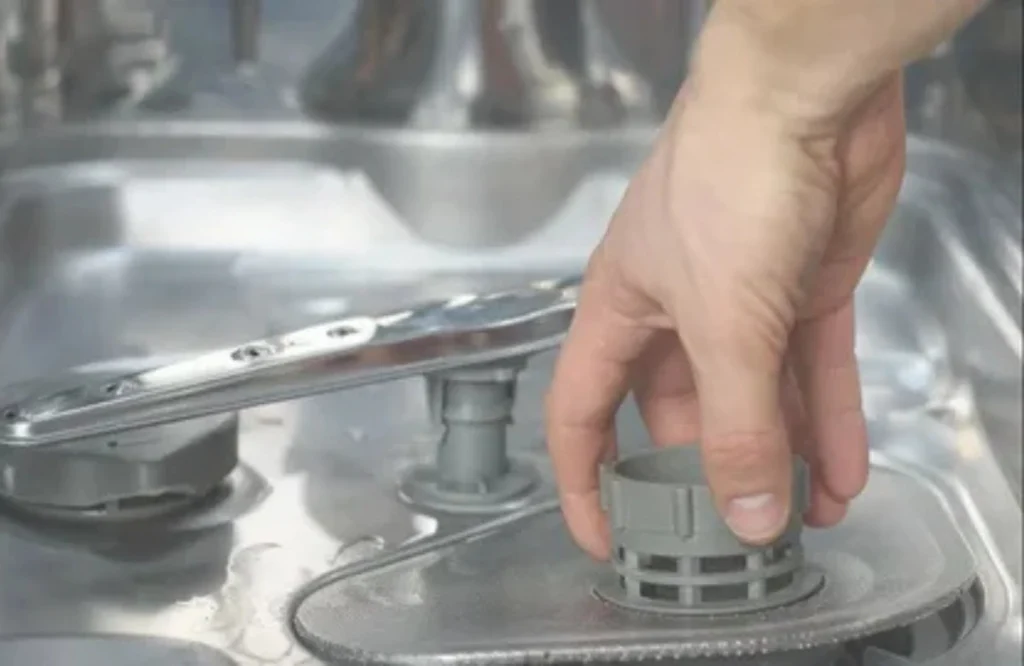
Step 3: Check and Clean the Drain Area
Once the filter has been cleaned, the drain area is to be checked. It is at this point that water comes out of the machine. Here can be deposited food bits, grease, and soap, which may lead to a blockage.
A soft brush or cloth can remove visible debris and keep the dishwasher flowing smoothly. For regular maintenance, clean your drains regularly to prevent clogs and maintain optimal performance.
Step 4: Inspect the Drain Hose
A blocked hose that is used to drain the dishwasher with debris may prevent the discharge of water outside the machine. The dishwasher is attached to the sink drain or garbage disposal through a hose. It is a significant component of the system.
The user is to examine the hose for its bends or blockages. In case of necessity, dissociate it and rinse it in water. This assists in decongesting any accumulation. A clean hose means that there is adequate drainage and the hose will not become clogged in the future.
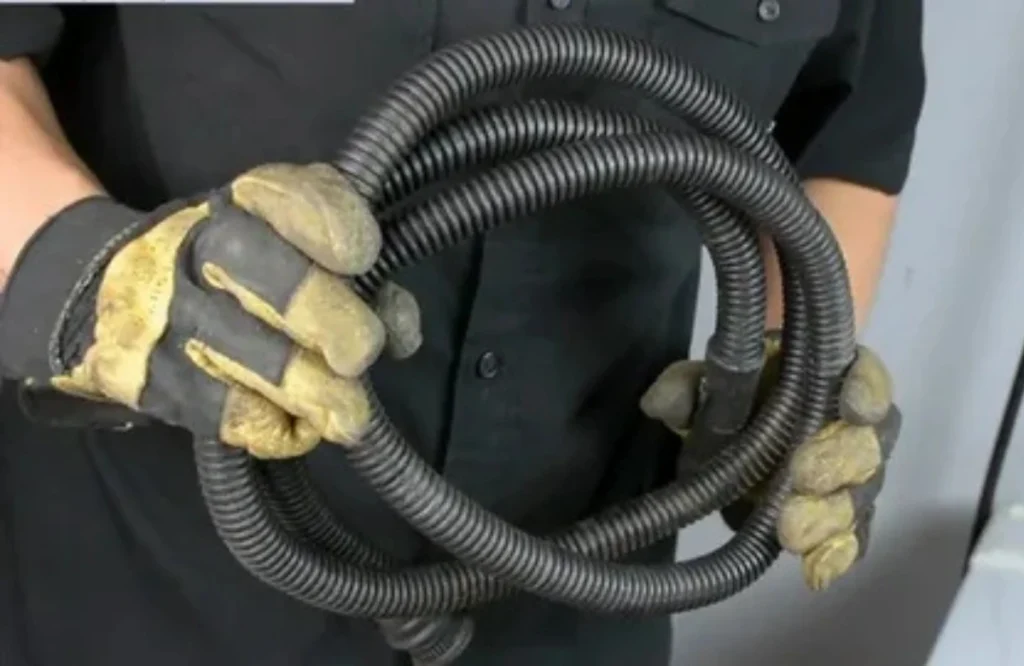
Step 5: Run a Cleaning Cycle
Once everything is clean, the dishwasher is supposed to complete a test run. This assists in making sure that the clog is eliminated. It also eliminates any unused debris within the machine.
The cycle can be enhanced by adding a cup of vinegar. It dissolves grease and assists in cleaning drain lines in the dishwasher. This is the last step in the process, and normal functioning is restored.
Tips to Prevent Future Clogs
Plugging is prevented through frequent maintenance. The filter should be cleaned by the users once a week. This is a routine habit that helps avoid any accumulation and ensures that there is a smooth flow of water. It also minimizes the risk of the cost of repairing the dishwasher.
Wiping dishes off with food prior to loading is also a good thing. Foods that are large will clog the drain fast. Hot water cycles and good detergent should also be used to enhance performance and minimize residue.
When to Call a Professional
In some cases, the problem cannot be addressed by DIY steps. Assuming that the problem of the dishwasher not draining is not resolved, a more severe obstruction can be present. It might be a mechanical problem within the unit, too.
When this happens, a professional calling seems to be the most appropriate. Experts drain cleaners possess the right resources and know-how. They are also able to do complicated dishwasher repairs and get the system functioning once again.
Conclusion
It is annoying when dishwashers become clogged, but they can be easily repaired. Most of the problems may be addressed at home with proper dishwasher drain cleaning. Normal functioning can be restored in a short time by following some simple processes, such as cleaning the filter and checking the hose. Routine maintenance also plays a part in avoiding future problems and extending the lifespan of the appliance.
Independent Plumbing is a good option to answer your query regarding “how to unclog dishwasher drain.” Their team has 25 years of experience, and the team provides professional solutions to all plumbing requirements. Be it a stuck-up clog or a complete repair, they guarantee quick and reliable service. Call to make them contact you and have your dishwasher running like a new one.
FAQs
Why does my dishwasher not drain?
The most common cause is a clogged filter, drain, or hose.
What is the frequency of washing the dishwasher drain?
Cleaning once a week is a good practice to achieve good performance.
Is it possible to clean dishwasher drains with vinegar?
Yes, vinegar can be used to dissolve grease and substances.
Why does the dishwasher hold water?
This is normally caused by a blockage of a drain or a hose, which leaves the water inside.
When do I call to have my dishwasher repaired?
Contact a professional in case the issue persists after cleaning.