Low water pressure is very frustrating because it interferes with your normal routine, such as taking a shower or washing dishes. The causes of low water pressure in your home are diverse, ranging from easy-to-fix issues to more complicated plumbing problems. We will discuss the most common reasons and what you can do to correct them.
1.Clogged Pipes
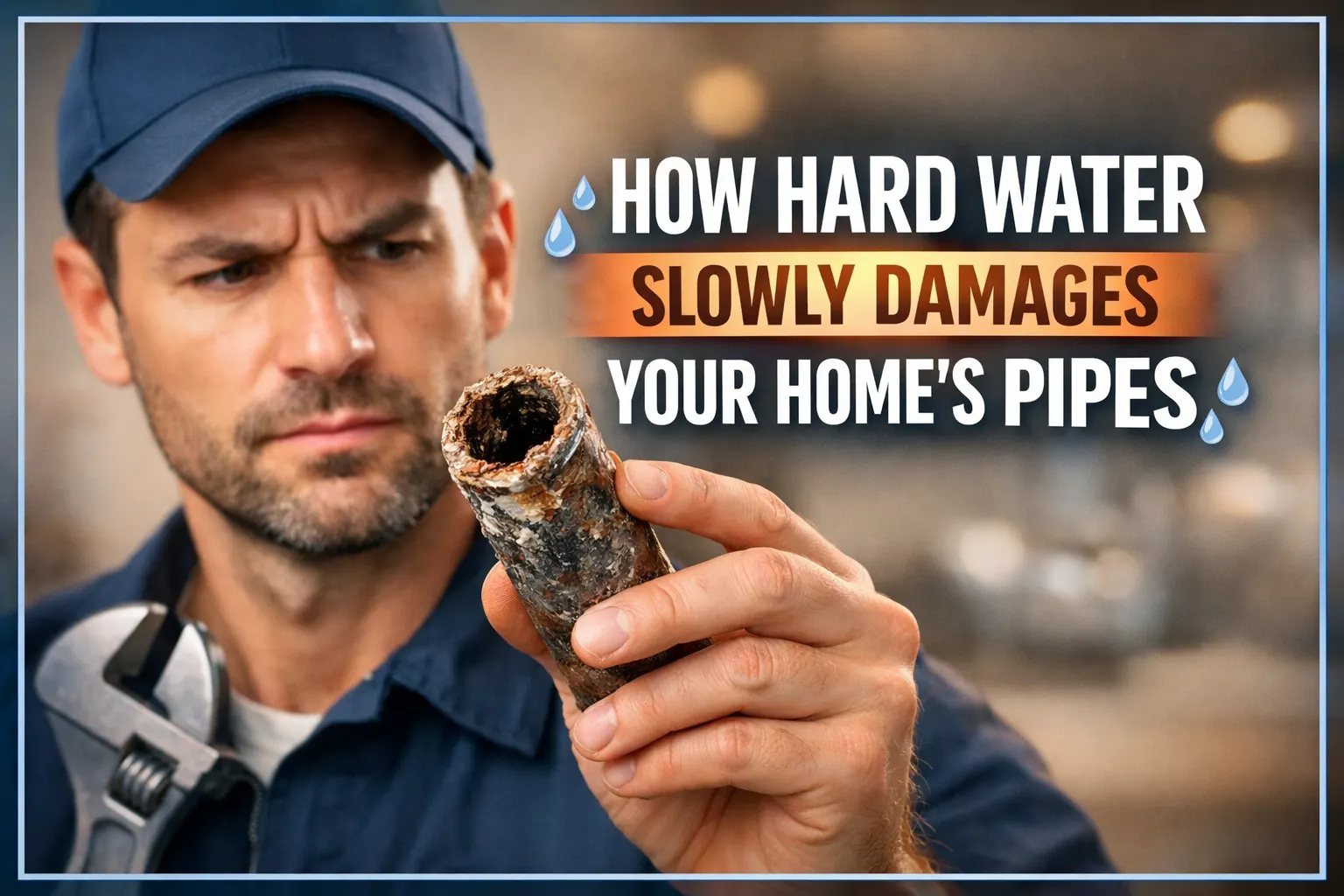
With time, minerals, debris, and rust may accumulate inside your piping, limiting the flow of water. This happens frequently with the old houses, in which the pipes could be deposited over the years.
Resolution: In case you have a suspicion that there are clogged pipes, call a professional plumbing service and have them clean or replace your pipes.
2.Corroded Plumbing
Elderly metal pipes, such as galvanized steel, are likely to corrode and cause a significant drop in water pressure. Pipe corrosion causes narrowing, resulting in a limitation in the flow of water.
Resolution: Fix low water pressure fast by replacing the old and corroded pipes with new ones, like copper or PEX, which will reestablish the pressure of water and increase the life of your plumbing system.
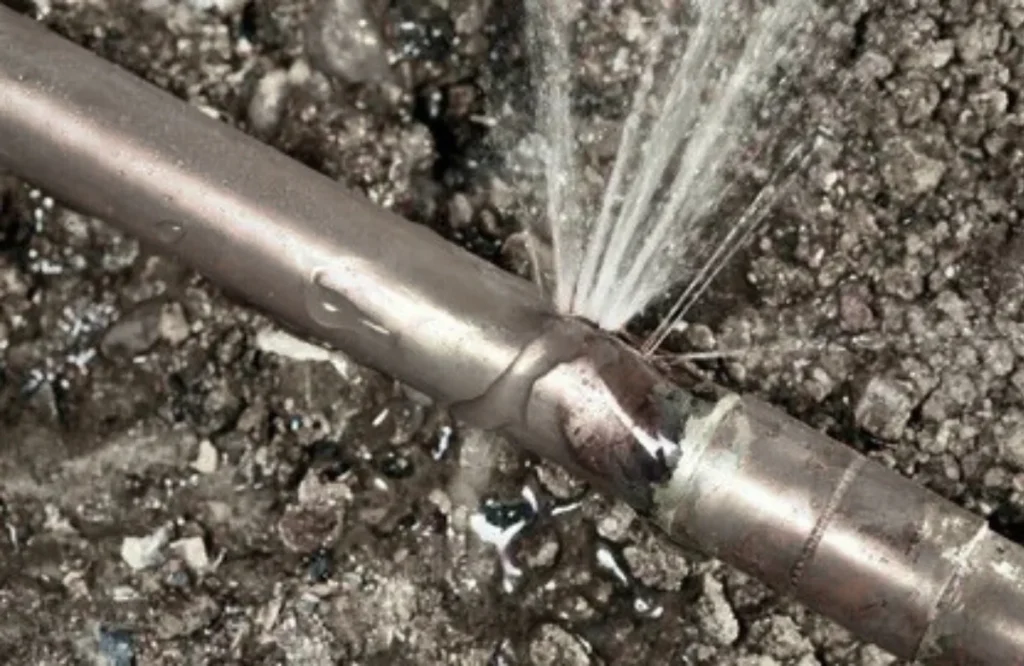
3.Leaky Pipes
Leaks within your plumbing system may lead to a reduction in water pressure. Even minor leakages would cut down the quantity of water you receive at your faucets and fixtures.
Resolution: Inspect in the presence of any water leaks, such as spots of water or pools of water. In a case where the leak cannot be detected, a professional plumber can carry out a leak detection service to effectively perform low-pressure plumbing repair.
4.Faulty Pressure Regulator
A pressure regulator is a kind of device that regulates the pressure of the incoming water into your house. In case of failure of this device, there are sudden alterations in the pressure of water, which can either cause it to go high or low.
Resolution: A faulty pressure regulator ought to be substituted by a licensed plumber to make sure that the water pressure is maintained at a safe and consistent level.
5.Partially Closed Valves
There are occasions when the main shut-off valve or the water meter valve in your house is not completely open to allow water to flow into the house. This may occur due to plumbing or in case the valves were not adjusted on purpose.
Resolution: Test both the main shut-off valve and the water meter valve by making sure that they are completely open. In case you do not know how to do it, a plumber can help you.
6.Municipal Water Supply Problems
In some cases, the low water pressure in house cannot be helped as it is connected to the problems of the municipal water supply, e.g., ongoing maintenance or the high demand in your locality.
Resolution: Call your local water company and ask whether there are any current problems or maintenance on the particular water pressure. In case it is a long-term problem, you could benefit from a pressure booster.
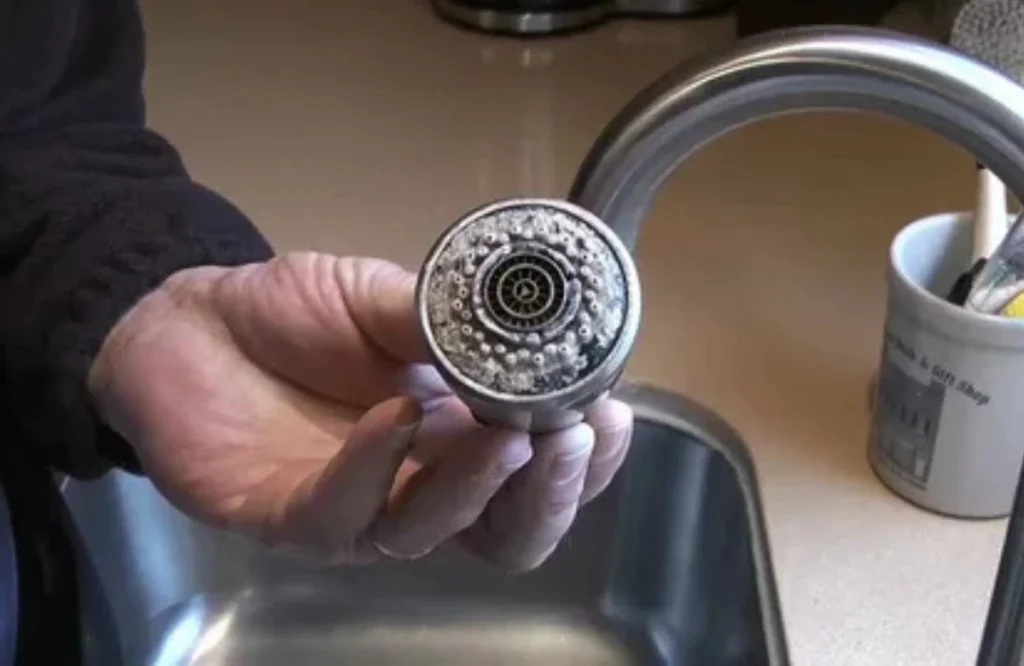
7.Blocked Faucet Aerators or Showerheads
The deposits of minerals may also block the aerators of your faucets or showerheads and lower the water flow. This is usually a simple repair, and it might not have a lasting impact.
Resolution: Take off the aerator or showerhead and immerse it in vinegar to loosen the deposits. Then scrub it down before attaching it back on.
8.Shared Plumbing Lines
It is likely that you have found yourself in this problem. When you are taking a shower, and you have a few people in your house who are also using water, you might get to experience the effects of poor water pressure. This is due to the fact that all your fixtures and appliances have the same plumbing line. It occurs particularly frequently in old houses, where old pipes have deposits and corrosion that are not dealt with.
Resolution: The simplest, quickest remedy is to stagger the use, i.e., not using several appliances simultaneously, scheduling the shower times, etc. Still, there are even more rewarding solutions to the problem. A water pressure booster can raise the pressure of your main water supply at home, and the pressure can also be raised by installing bigger diameter pipes in older homes.
Eliminating Future Low Water Pressure Problems
- Have your pipes and fixtures maintained on a regular basis.
- For mineral buildup and hard water, have a water softener installed.
- Have the plumbing in your house checked every so often to determine whether there is any damage.
Low water pressure may interfere with your day-to-day activities, though with some troubleshooting, you may be able to figure out what caused it and take some action on it. When the water is running low all the time, stop delaying and call Independent Plumbing & Drain Care for low water pressure solutions. Our professional personnel are on hand to troubleshoot and restore your water pressure to a normal level! Call us now to make an appointment or get your answers questioned.
FAQs
What is the cause of clogged pipes resulting in low water pressure?
The accumulation of minerals and rusting of pipes due to time causes congestion of pipes, especially in old houses, thus limiting the water supply. Call in the professional plumber to clean or change the pipes so that they are permanently fixed.
What can I do to correct a defective pressure regulator?
Failure of the pressure regulator will affect incoming water pressure, creating low flow within the home. Repair it with a licensed plumber to get the safe, steady pressure levels again.
Is it possible to clean clogged faucet aerators myself?
Yes, mineral deposits have a tendency to block the aerators or showerheads, and pressure is low at certain fixtures. Take it out, clean it by immersing it in vinegar, which will dissolve the accumulation. After that, scrub it and reconnect back in place.