
Most drain problems do not begin with a flood or a total blockage. They usually start small. Water drains a bit slower than usual, strange sounds come from the sink, or an unpleasant smell appears without warning. These signs are easy to ignore, but they often lead to bigger plumbing issues if left untreated.
Knowing how to clean your drains the right way helps you stay ahead of trouble. This guide explains simple drain-cleaning steps, shows when home methods are enough, and helps you understand when it is time to call a plumber to clean drains before the problem gets worse.
Why Clean Your Drains Regularly
Drains are something that are utilized on a daily basis but when things go wrong, they are usually ignored. With time, grease, soap residue, hair, food debris and dirt gradually accumulate in the pipes. This accumulation causes the pipe to be small and reduces the smooth passage of water.
This accumulation does not become a complete blockage because of regular drain cleaning. It also saves pressure on your plumbing system and minimizes the possibility of having to call in a drain clog plumber in an emergency. Drains always remain clean, and this increases the life of the pipes and makes them more efficient to work with.
What Is Drain Cleaning and How Does It Work
The question most often posed by many homeowners is what the meaning of drain cleaning is and its mode of operation. Drain cleaning is the act of clearing up debris and obstructions of the inside plumbing pipes to enable the water to flow through them again in an appropriate manner.
Easy domestic techniques like hot water flushing or simple plumbing can be used to do drain cleaning. In cases that are more acute, the unplugging of the drainage system requires the equipment, experience, and practice of the specialists. Being aware of what approach to use in your case is going to save you both time and money.
How to Clean Your Drains: A Step-by-Step Guide
Drain cleaning is a better process to clean in steps, and it would always recommend the most basic of the processes and then those that are complex as the last option.
Step 1: Watch for Early Warning Signs
The warning signs should be identified before cleaning your drains. The slowness of drainage, gurgling and bad odors, as well as water being backed up are indications that the pipes are blocked by something. Early action results in making clean drains plumbing a lot easier and avoids bigger repairs.
Step 2: Flush with Hot Water
One of the simplest and most efficient methods of starting a cleaning process of a drain is with hot water. Grease and accumulation of soap in the sink, particularly in the kitchen sinks can be loosened by slowly pouring hot water into the sink. Light clogs are frequently addressed with this step which is a major element of how to clean a kitchen drain safely.
Step 3: Use a Plunger Properly
Plungers are easy plumbing equipment, though their effectiveness relies on how they are applied. A strong and consistent force on the seal of the drain and constant pressure assist in loosening soft clogs. This is applicable in sinks, bathtubs and even some floor drains in cases where the accumulation is not too profound.
Step 4: Clean the Drain Stopper
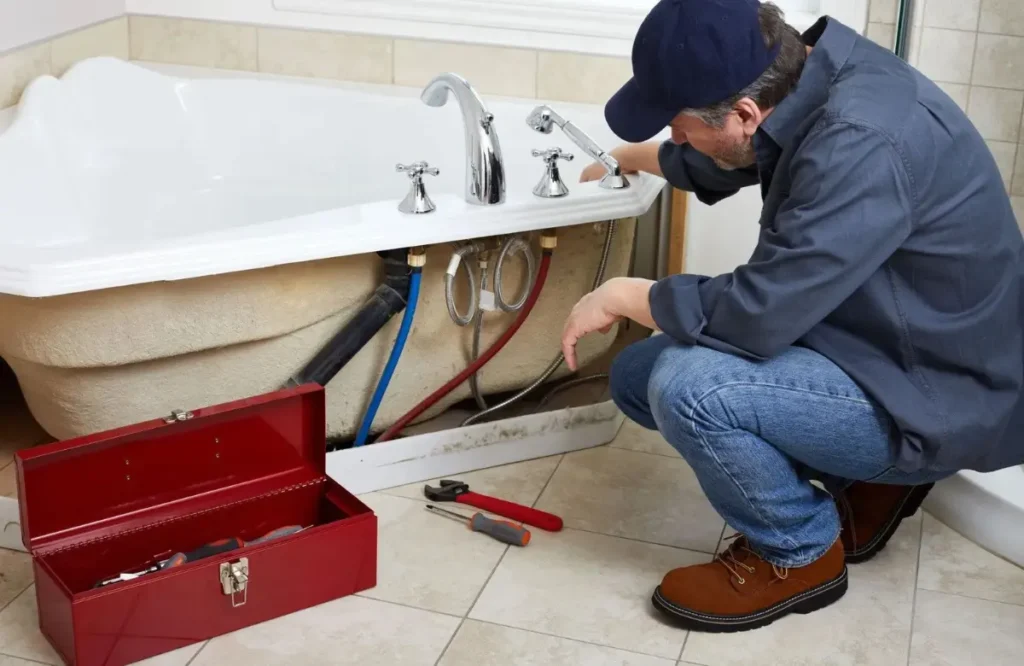
The hair tends to accumulate under the drain stopper in the bathrooms. Stopper removal and elimination of trapped debris may restore normal water flow within a short period of time. This is usually a step that will fix slow bathroom drains without the need for the drains plumber.
Step 5: Use Baking Soda and Vinegar
A confection of baking soda and vinegar assists in loosening the light accumulation and cleansing the drain. Following the period of letting the mixture rest, hot water flushing can aid in flushing off loosened debris. The process is mild and it does not harm drains plumbing using harsh chemicals.
Step 6: Use a Drain Snake
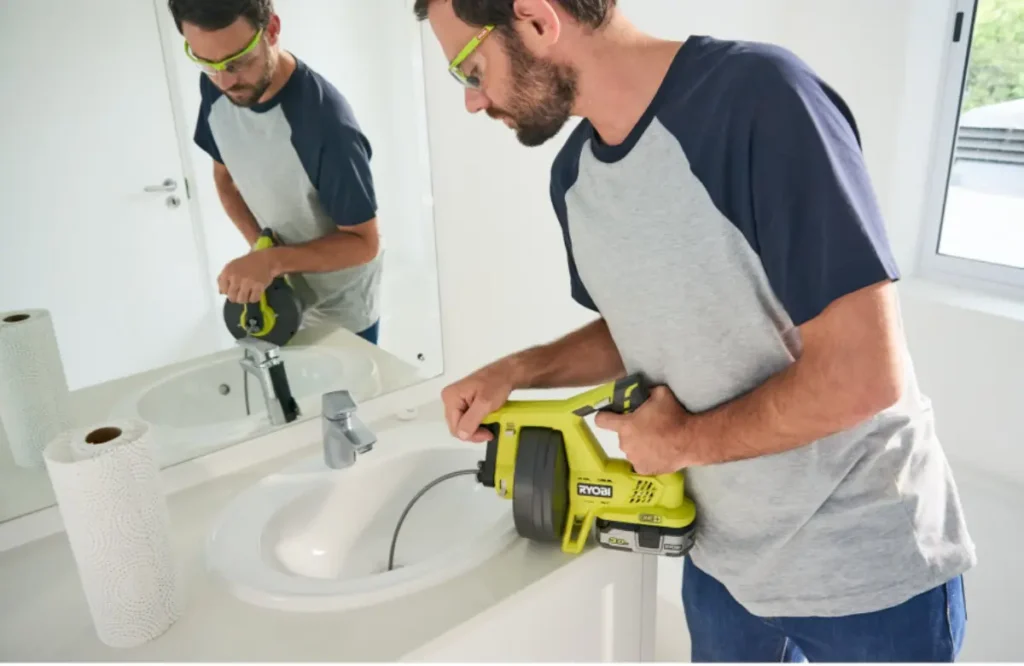
A drain snake can get deeper down the pipe when surface methods fail. This device is used to cut or eliminate hair or debris clogs. Its proper use prevents damage to pipes and in many cases saves the expense of having to call professional clogged drain cleaning services.
Step 7: Clean the P-Trap
In case the clog is not cleared off, the issue could be in the P-trap below the sink. Cleaning and removing this curved part of the pipe usually removes intractable kitchen clogs. This is an important step particularly in learning how to clean a kitchen drain at best.
Step 8: Know When to Stop DIY Cleaning
When multiple drains get congested simultaneously, water will stagnate in tubs or toilets, or home remedies will fail, then the problem could be further down in the system. Now the best solution is to invite a plumber in order to clean drains in a secure and thorough way.
Step 9: Professional Drain Cleaning
The sophisticated equipment used by a professional drain clog plumber is motorized snakes, water jetting and camera checks. These techniques wash the whole pipe rather than forcing the blockage further down the pipe. Professional drain plumbers also detect the concealed problems that may lead to a problem in the future.
The Pros of Cleaning Your Drains the Right Way.
Regular cleaning of the drain prevents a recurrence of the clog, prevents the pipes that are damaged in the long term, facilitates the flow of water, decreases bad odor, and cost of repairs are minimized. Clean drains and plumbing facilitate a healthier living environment in the home and reduce plumbing emergencies.
Smart Tips to Keep Drains Clean Longer
Drain-clogging can be prevented with good daily habits. Strainers, clearance of sinks, drain flushing using hot water, and common professional checkups will help in minimizing the future occurrence of clogs. These practices will ensure that clogged drain cleaning is less common and easy to control.
How to Clean a Kitchen Drain the Safe Way
Kitchen drains are highly utilized and also prone to the accumulation of grease. It is not a hard task to keep the drains clear in the kitchen, simply by wiping dishes before washing them, not keeping food scraps in the sink and flushing with lots of hot water after heavy usage. The correct way to clean a kitchen drain will help to avoid one of the most frequent cases of plumbing problems in houses.
When a Drain Clog Plumber is needed
In case of frequent reoccurrence of clogs, the drain causes a sewage smell or two or more fixtures empty simultaneously, then professional assistance is required. The plumber who cleans drains does not just unblock them. They discover the cause and assist in avoiding the recurrence of the problem.
Conclusion
It is important to clean your drains regularly to ensure that your plumbing is running effectively and you do not spend a lot of money fixing it. Basic measures such as hot water flushing, working with simple plumbing equipment and general awareness of when to seek the assistance of professionals go a long way. The way we take care of your drains today is to save the emergency for tomorrow.
To rely on quality service and effective solutions for professional drain cleaning services, call Independent Plumbing Ventura and ensure that your plumbing is running smoothly.
FAQs
What is drain cleaning?
Drain cleaning is used to cleanse pipes and to remove clogging of the pipes to resume water flow.
What is the frequency of drain cleaning?
Light cleaning may be performed monthly, and professional cleaning may be done once in a year.
Are chemical removers safe in the drain?
Pipes are easily damaged when used frequently, thus mechanical cleaning is safer.
Emergency Drain Clogging: When do I need to call a drain clog plumber?
Call at a time when clogs recur or in case they affect more than one drain.
Which plumbing tools are useful for clogs?
The most popular tools are plungers and drain snakes.
What should I do to understand whether a clog is severe or not?
Indications of slow drainage in various places or sewage odor are indications.
Are there any kinds of drains that the professionals can clean?
Yes, kitchen, bathroom and main drain line are safely done by drain plumbers.